The Story We Tell

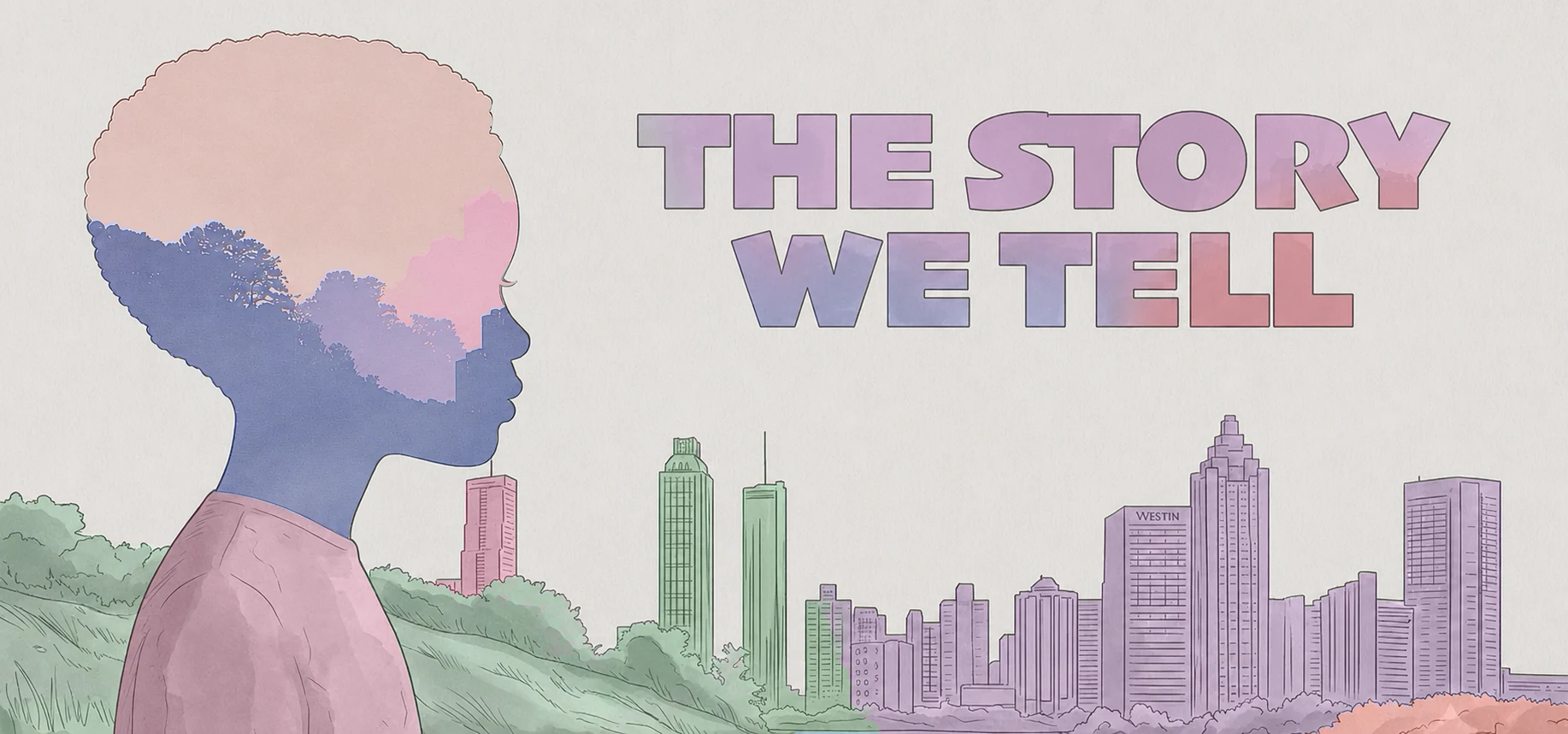
Illustration of a young Black Atlantan in profile, hair filled with pine trees and a sunset sky, gazing across a meadow and lake toward the Atlanta skyline, beneath the words The Story We Tell.

A community-led public memory initiative.

Join the list

About the initiative

When a community holds agency over how its stories are told and remembered, its role shifts from passive recipient to active protagonist, and the work of designing together can become an act of capacity-building and repair.

The Story We Tell is an effort to confront the history of forced labor, racial terror, and erasure woven through the streets of Atlanta, and to honor the generations of Black Atlantans who lived, resisted, and thrived throughout that history.

Its aim is to reclaim overlooked places as spaces of remembrance, reflection, and public engagement, and to put the power of memory and repair in the hands of everyday Atlantans.

We believe the process is as important as the product. The Story We Tell is grounded in inquiry, reflection, skill-sharing, and collective transformation. We ask ourselves questions and then build the capacities necessary to answer them ourselves.
Projects and sites we're following

Most of these places are chapters of one story. After emancipation, Georgia criminalized everyday Black life and sold prisoners' labor to private industry. The bricks, granite, and lumber that built Atlanta were made under that system.

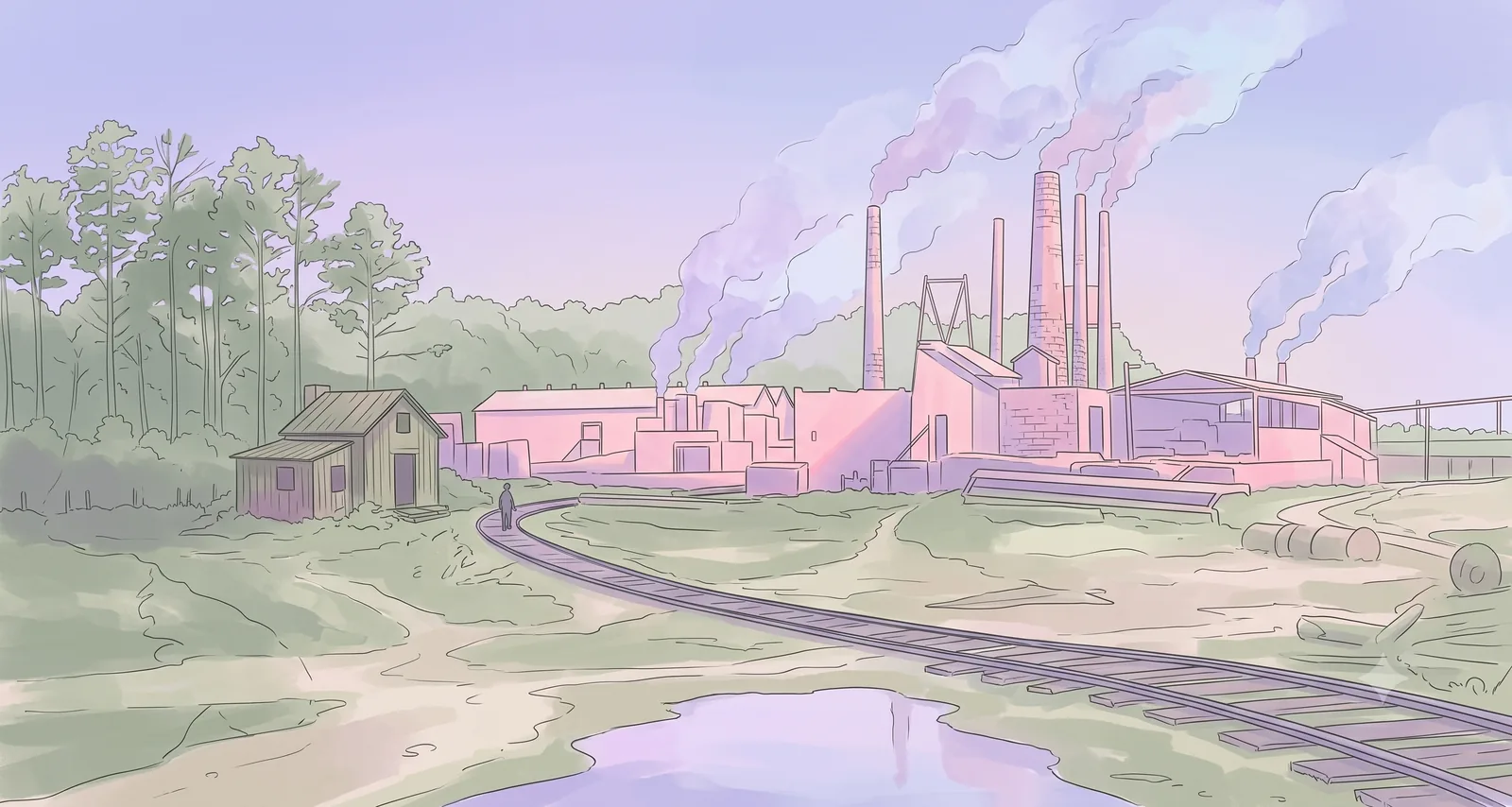
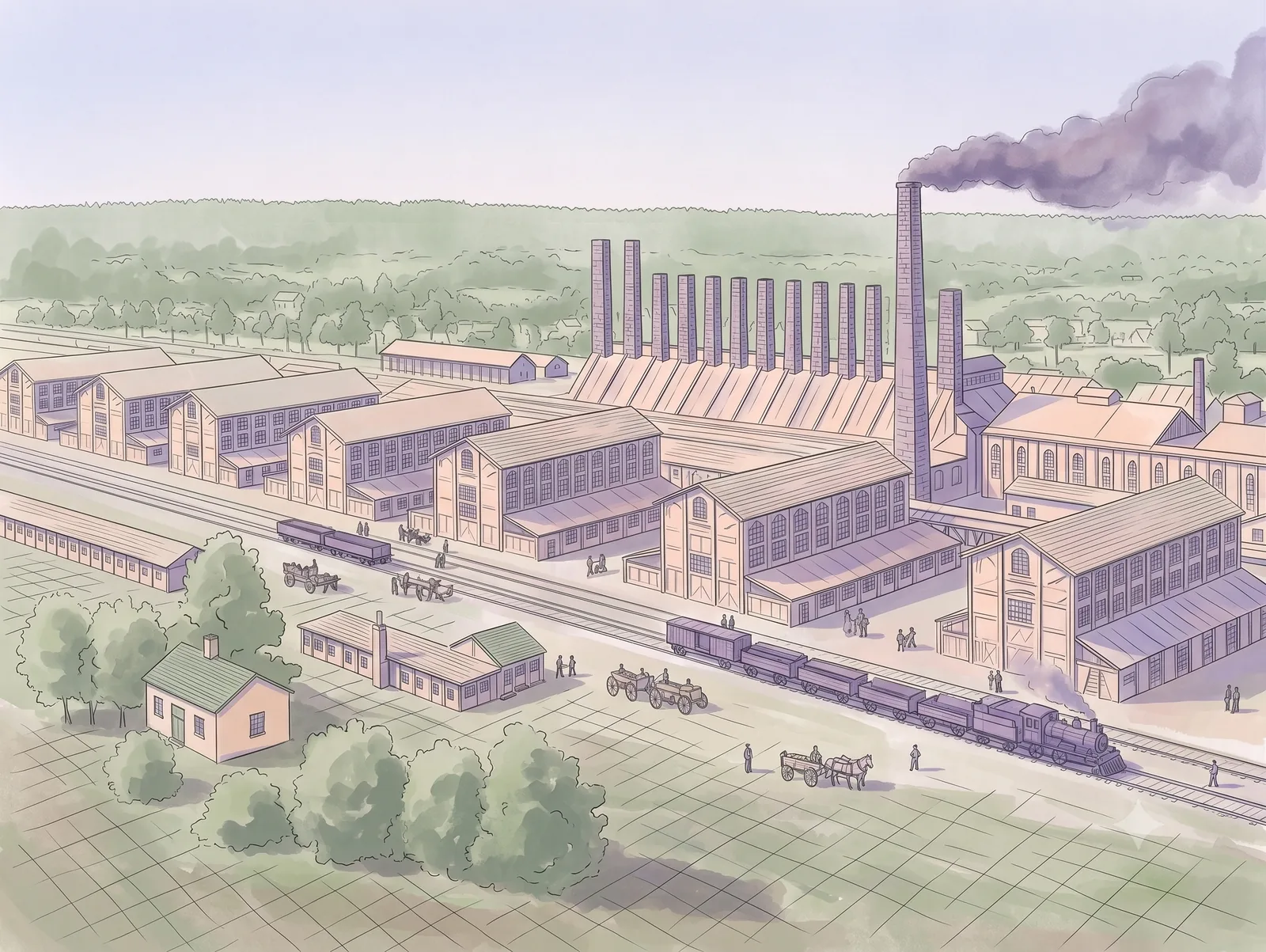
Illustration of the brick factory with tall smokestacks beside a rail line running through pine woods.

Chattahoochee Brick Company

A brickyard owned by former mayor James W. English, where hundreds of Black men and boys arrested on minor or invented charges were forced to labor. Many were beaten, starved, and worked to death before Georgia ended convict leasing in 1908. In June 2026, archaeologists identified a potential burial site of the laborers on the grounds. The City of Atlanta now owns the site and is planning a memorial and park there.

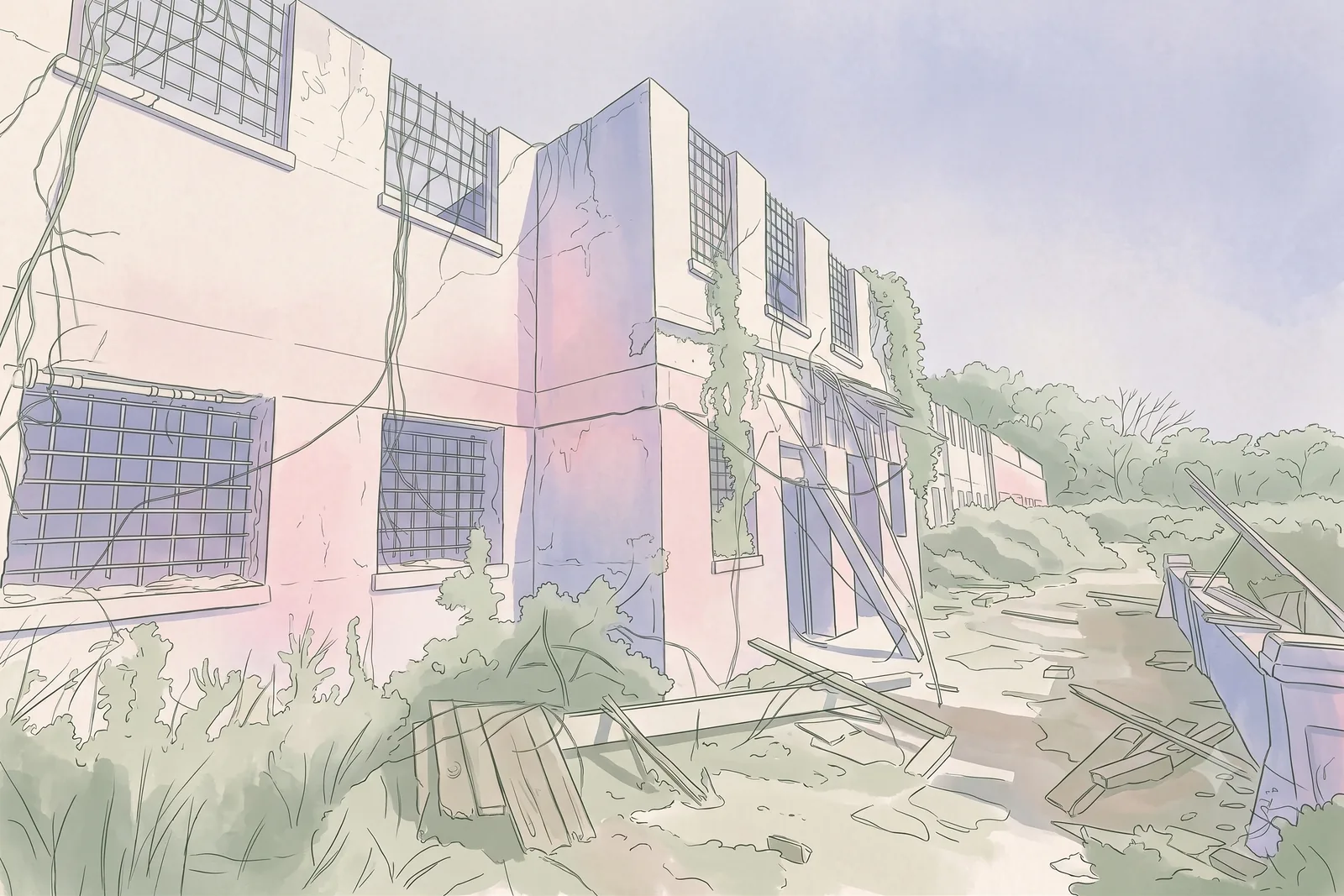
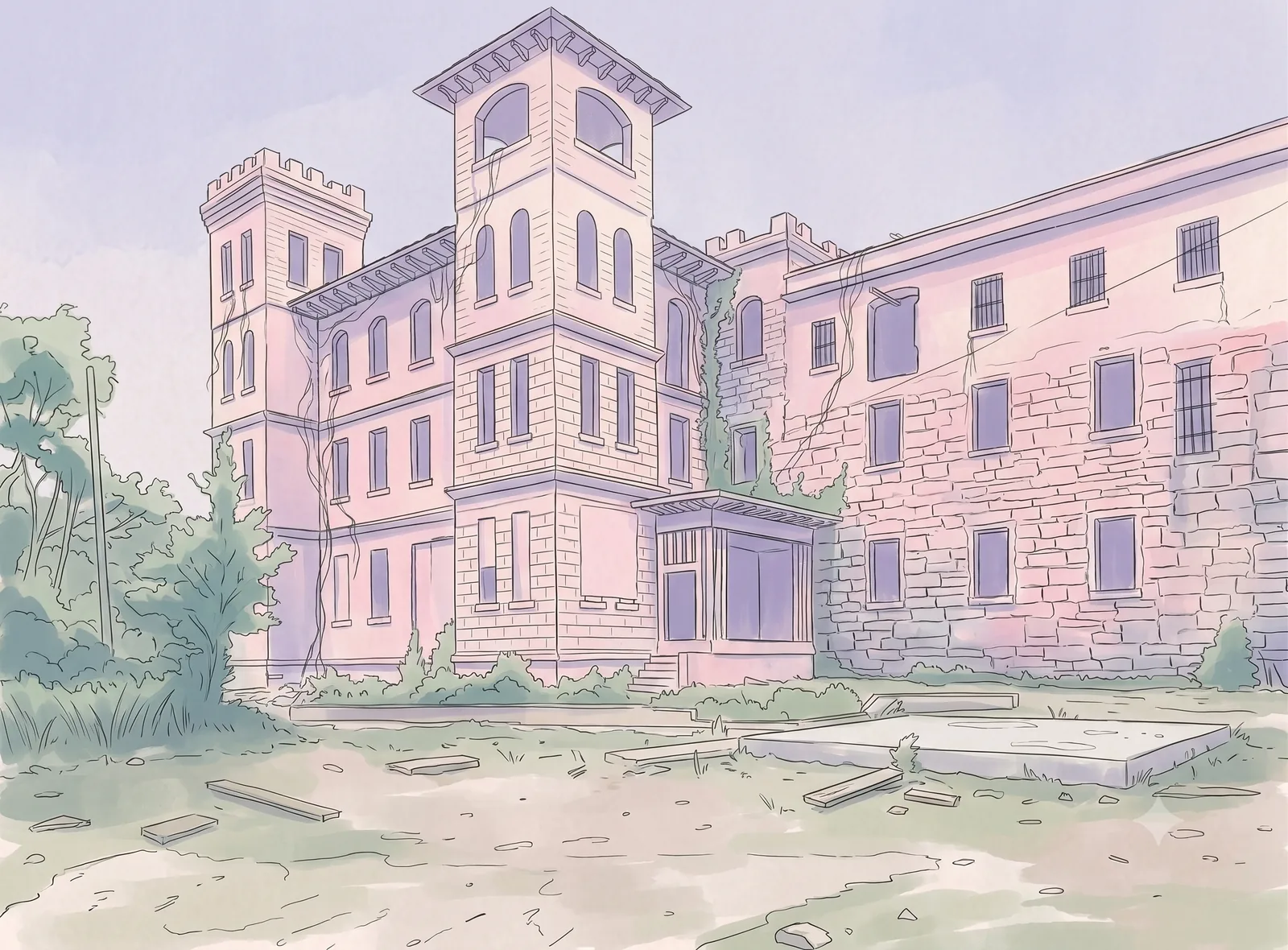
Illustration of the prison farm building standing ruined and overgrown, debris in the yard.

Atlanta Prison Farm

The city ran a prison farm on Key Road from the 1920s until the mid 1990s, and its labor fell disproportionately on Black prisoners, most jailed for minor offenses. They farmed crops, raised hogs and dairy cattle, staffed kitchens and laundries, and were sent out on construction, parks, and sanitation details. Building ruins remain, researchers believe unmarked graves may lie on the land, and the city is master planning a Restoration Memorial and Preserve there.

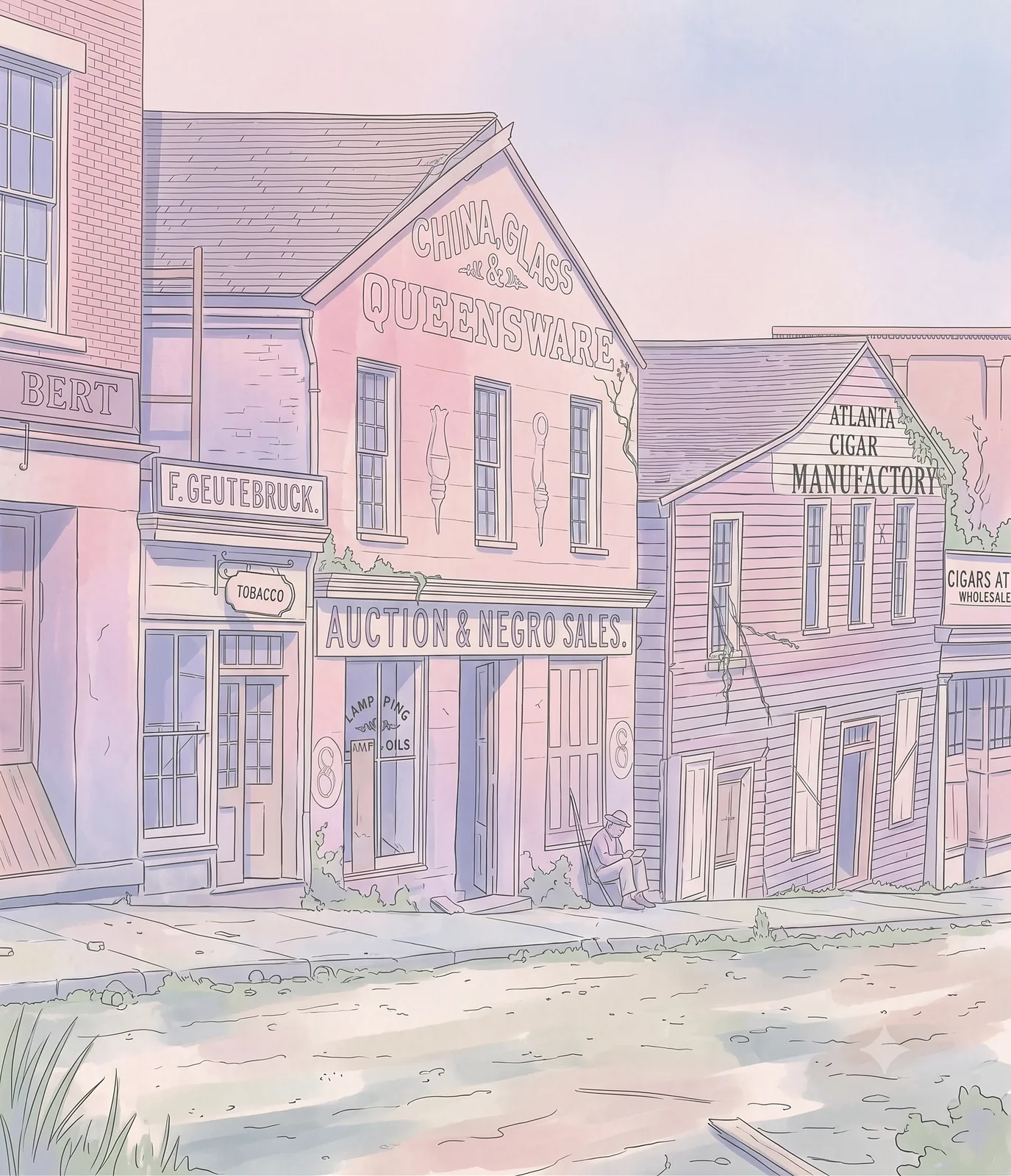
Illustration of a downtown street of storefronts, one bearing an auction house sign advertising sales of enslaved people.

Downtown Sites of Enslavement

In 1860, about 1,900 of Atlanta's 9,554 residents were enslaved, roughly one in five people in the city. At least twenty firms trafficked enslaved people near Whitehall and Alabama streets, with auction rooms and holding pens close to what is now Five Points, and the city collected a two dollar tax on every sale. The sites remain essentially unmarked.

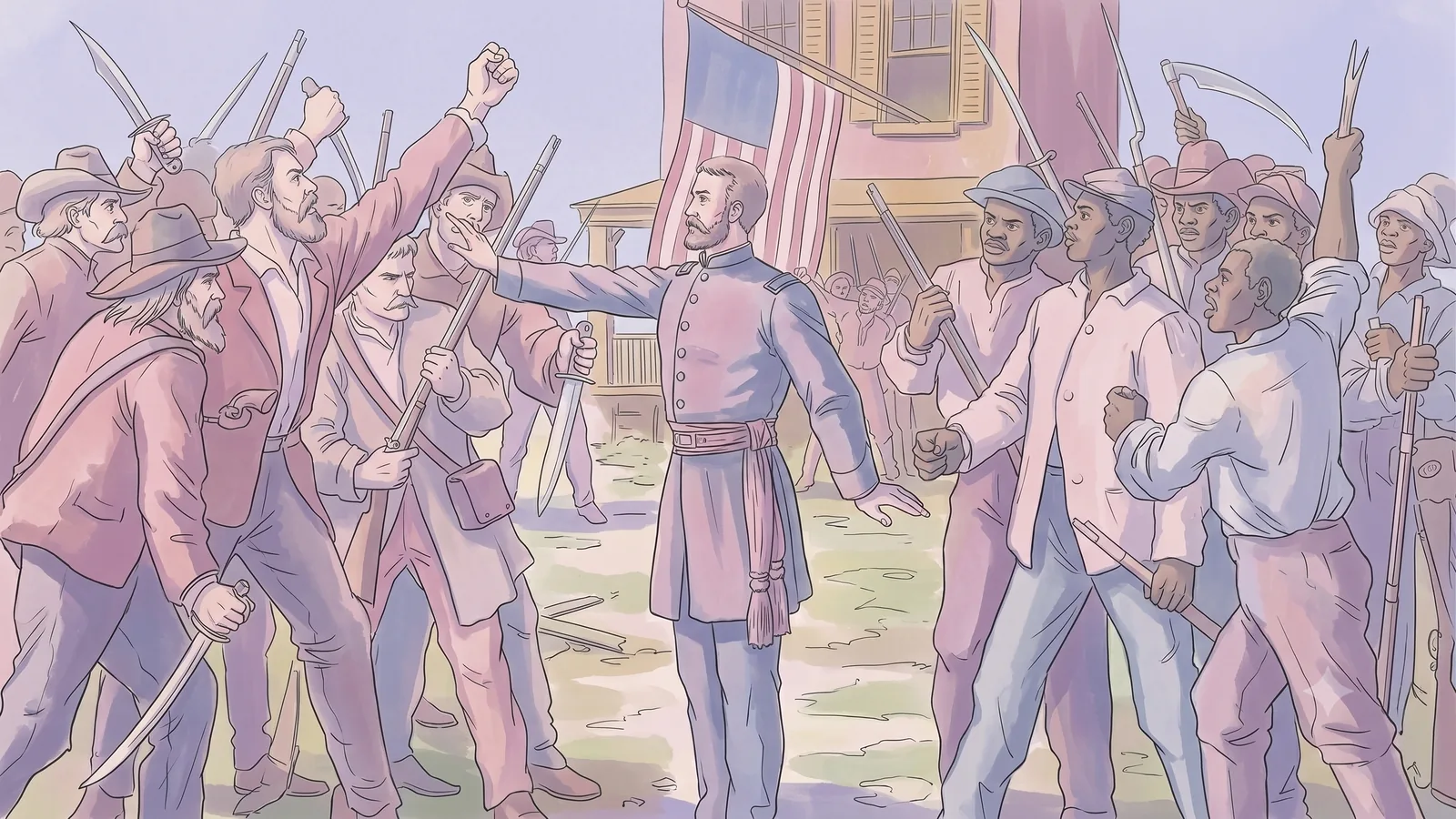
Illustration of an armed white mob gathering in the street in 1906.

1906 Race Massacre

White mobs attacked Black Atlantans beginning on September 22, 1906, and residents of Brownsville organized to defend themselves. Historians put the Black death toll at roughly twenty five to forty, and The Coalition to Remember the 1906 Atlanta Race Massacre plans annual events to increase public awareness.

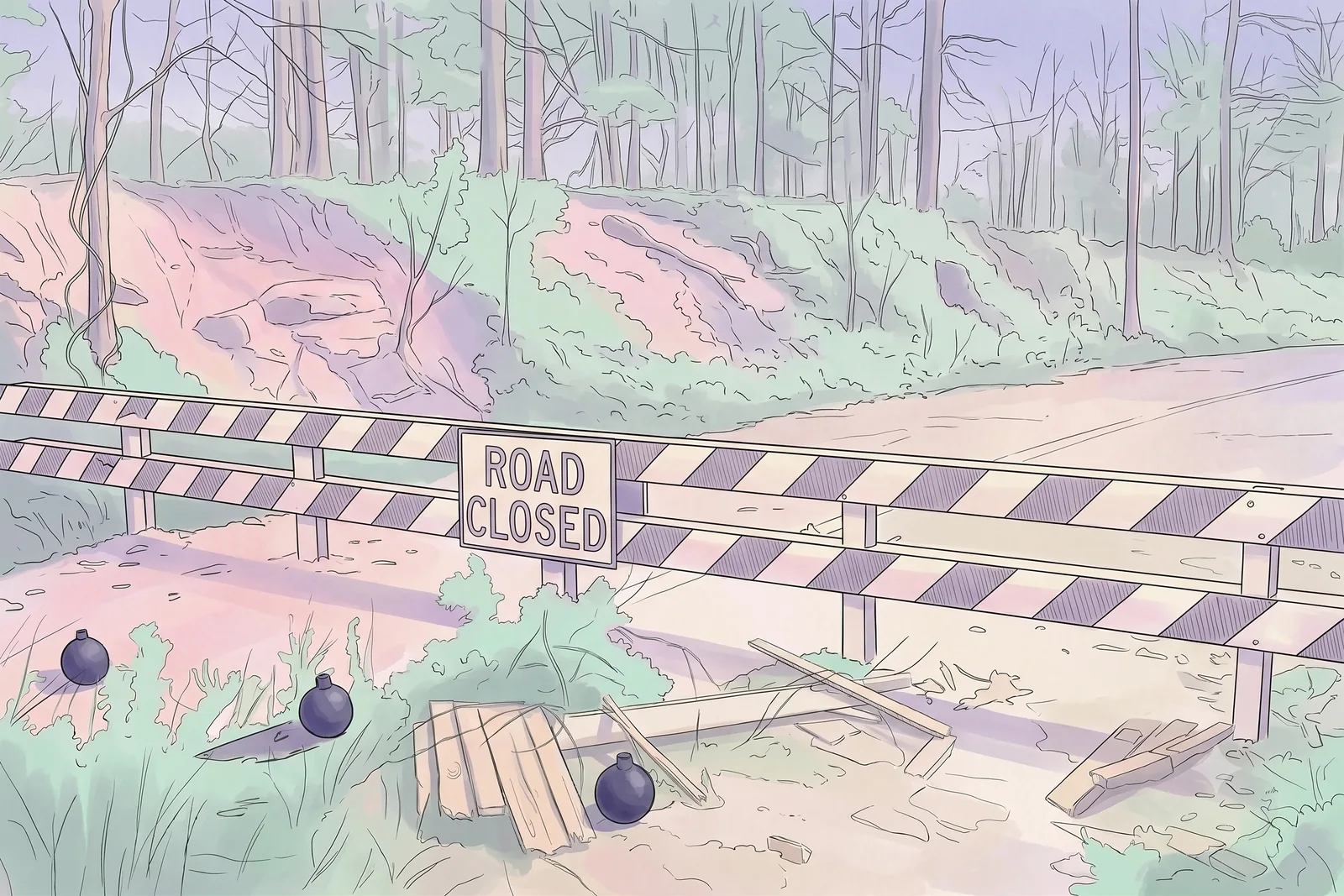
Illustration of a road closed barricade blocking a wooded residential street.

Peyton Wall

In December 1962 the city barricaded Peyton and Harlan Roads to stop Black families moving further into southwest Atlanta. A judge ordered the barriers down on March 1, 1963, after about ten weeks.

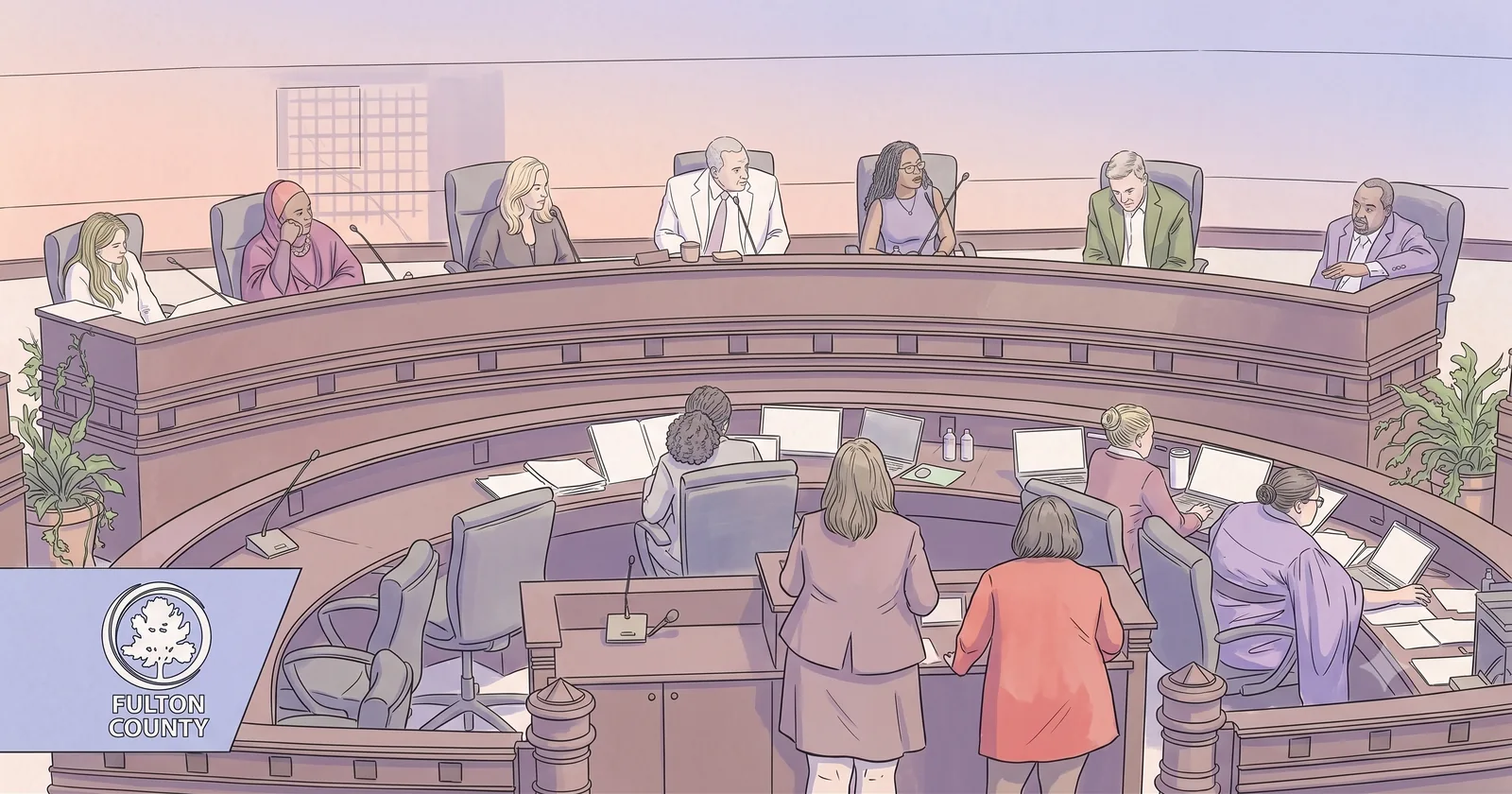
Illustration of a county commission chamber in session, speakers addressing the dais.

Area Reparations Initiatives

The City of Atlanta formed its Reparations Study Commission in 2025 and is holding bi-monthly public meetings. Fulton County's task force has delivered a 615 page Harm Report tracing convict leasing, land seizures, and lynchings, with recommendations due in 2027. Decatur's task force is researching its own harm report on slavery, redlining, and displaced neighborhoods. Momentum is building across the metro area.

Illustration of the flooded granite quarry behind a chain-link fence, tree-lined rim above.

Bellwood Quarry

Granite here was broken by the Fulton County chain gang, mostly Black prisoners held at the Bellwood convict camp, where men died from heat and whippings. The quarry now holds Atlanta's emergency water supply inside Shirley Clarke Franklin Park, where a memorial is being planned.

Illustration of the castellated stone Atlanta Stockade building with a square tower, weeds grown up around it.

Atlanta Stockade

The city’s municipal prison on Glenwood Avenue, where men, most of them Black and jailed for petty offenses, were chained in gangs to break stone and pave streets. The building still stands in Grant Park and is listed on the National Register.

Illustration of a sprawling sawmill complex with smokestacks and long sheds beside a rail line.

George V. Gress and Zoo Atlanta

George V. Gress ran lumber mills in middle and south Georgia that used convict-leased labor, most of them Black men. In 1889 he bought a bankrupt circus and gave its animals to the city to found Zoo Atlanta in Grant Park.

If you are a resident, descendant, organizer, artist, youth, or elder who wants to shape what this becomes, we'd like to meet you.

We'll keep you up to date on everything we hear about the projects in development, and we'll let you know when The Story We Tell gatherings take place.

We will not share your address with anyone.